
Key Takaways
- Video consumption is accelerating exponentially across TikTok, Instagram, LinkedIn, YouTube, and AI-driven search.
- The most impactful video marketing trends combine authenticity, creativity, and smart production techniques.
- Brands must balance short-form trends with long-form value, educational content, and cross-platform distribution.
- Video production partners like AsiaWorks help brands integrate new technologies—from AI to virtual production—while keeping storytelling authentic.
Table of Contents
Video is no longer just a marketing add-on, like print ads or “teaser” emails. It’s the engine that drives brand visibility, social reach, and customer trust. As audience behaviour changes and platforms evolve, brands must understand the latest video marketing trends to stay relevant and competitive. Whether you’re a senior marketing executive, content strategist, or business owner, knowing which trends matter, and how to apply them, is the key to building an effective video content strategy.
In this guide, you’ll discover the top trends in video marketing, why they’re reshaping online video strategies globally, and how brands can blend creativity with data for long-term impact. Throughout this article, we’ll also highlight why production partners like AsiaWorks play a critical role in helping brands scale, adapt, and innovate with confidence.
Why Video Marketing Is Evolving Faster Than Ever
Video marketing is evolving at record speed (it changes by the week and month).
A lot of consumer behaviour is shifting toward snackable, vertical, mobile-first videos, while at the same time long-form storytelling is thriving on YouTube and LinkedIn. The rise of AI search, social commerce, micro-communities, and new content formats has made video the most dynamic part of a brand’s strategy.
Multiple platforms are driving this shift:
- TikTok accelerates trends and rewards creativity over production polish. It’s almost better to be cheesy and silly to get eyes on your videos.
- Instagram Reels pushes visual storytelling that is fast, vertical, and algorithm-driven. However, do note that corporate videos are often overlooked.
- YouTube remains the strongest platform for long-form, evergreen search-driven content. Need to know how to run your new food processor? Look no further than YouTube.
- LinkedIn favours thought leadership videos, major announcements, behind-the-scenes storytelling, and sound-off content.
- AI-powered platforms increasingly surface video in search results, making video SEO essential.
In this environment, brands need to not only stay updated but strategically choose the video production trends that deliver meaningful ROI.
What Are the Latest Video Marketing Trends
Below are the top online video marketing trends reshaping how brands create, distribute, and measure video content today.
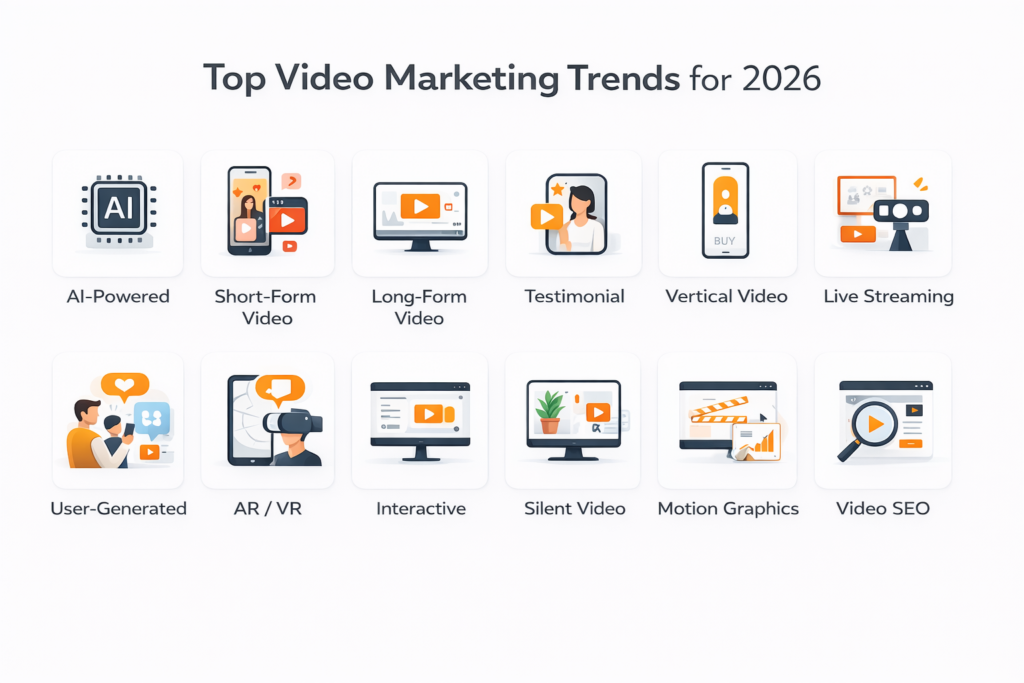
1. AI-Powered Video Production
AI is transforming every stage of the production workflow from pre-production planning to editing, asset organization, and content repurposing.
Brands use AI to:
- automate transcript creation
- generate scripts and variations
- create rough cuts or automatic edits
- scale content faster with fewer bottlenecks
But the most effective campaigns still rely on human-led storytelling. At AsiaWorks, we incorporate AI where it enhances speed and efficiency while keeping creative direction, cinematography, and storytelling firmly in expert hands.
2. Short-Form Video Dominance
Short-form videos (TikTok, Instagram Reels, YouTube Shorts) continue to lead in social engagement. These formats are:
- highly shareable
- mobile-first
- algorithm-friendly
- perfect for awareness content
Brands can use short-form video clips for product highlights, expert tips, behind-the-scenes storytelling, or micro-narratives that build personality and trust. However, the major downside is that they are highly forgettable due to sheer volume.
3. Long-Form Video Content
Ironically, even as short-form explodes, long-form is experiencing a rebirth. YouTube, LinkedIn, and streaming platforms have expanded the appetite for:
- interviews as thought leadership
- branded documentaries
- customer stories highlighting how much they love a product or service
- expert explainers for literally every consumer product or app
- leadership messages
Audiences will watch long content if it’s good and has a narrative. AsiaWorks has seen strong growth in requests for long-form corporate video storytelling, especially in the finance, tech, and sustainability sectors.
4. Testimonial Video Content
Testimonial videos have become one of the most influential drivers of trust and conversion in modern marketing. In a landscape flooded with short-form, fast-turn content, audiences still rely on real people with real experiences to validate decisions, whether they’re choosing a bank, a school, a SaaS platform, or a global investment partner.
What’s changed is the format. Today’s most effective testimonial videos combine:
- Authentic storytelling based on building credibility, that feels unscripted
- Professional production that protects your brand voice
- Clear narrative design that moves from problem to solution, to impact
- Cross-platform versions and “cutdowns” for LinkedIn, YouTube, websites, and paid campaigns
Where many brands struggle is extracting honest, articulate stories from clients or stakeholders. That requires experience, editorial sensitivity, and an environment where people feel comfortable. This is where production partners like AsiaWorks matter. Done well, testimonials become powerful long-term content tools that drive influence, authority, and conversion across multiple channels.
5. Vertical Video
Vertical-first content has become essential. Platforms prioritize it, users engage with it longer, and it delivers better ad performance.
Vertical video trends include:
- vertical interviews
- vertical product demos
- vertical live streams
- repurposed long-form-to-vertical highlights
For brands, adopting a vertical-first strategy improves reach and future-proofs content across platforms. However, we integrate horizontal and vertical formats, so the client has a choice.
6. User-Generated Content (UGC)
UGC continues to grow because audiences now favour authenticity over perfection. Examples include:
- employee-created videos
- customer stories
- behind-the-scenes moments
- “day in the life” content
Brands are blending UGC aesthetics with professional production to create content that feels real but still reflects brand values. The downside is that UGC often forgets to tell a story in favor of pure silliness or self-promotion.
7. Interactive & Shoppable Video
Social platforms are evolving into full-funnel ecosystems. Shoppable video lets viewers buy directly from within the video, increasing conversion rates. Interactive content can include:
- quizzes
- polls
- clickable hotspots
- product demos
- discounts
These formats allow more personalised, measurable viewer journeys, a major shift in video content marketing trends.
Live video continues to dominate because audiences love real-time, unscripted content. Platforms like TikTok, Instagram, YouTube, and LinkedIn prioritise live streams heavily in their algorithms. This is a modern take on the old QVC broadcasts. Brands use live video for:
8. Live Streaming
- product launches
- corporate announcements
- leadership conversations
- behind-the-scenes events
- community engagement
AsiaWorks frequently supports hybrid live productions that blend broadcast-quality visuals with authentic interaction.
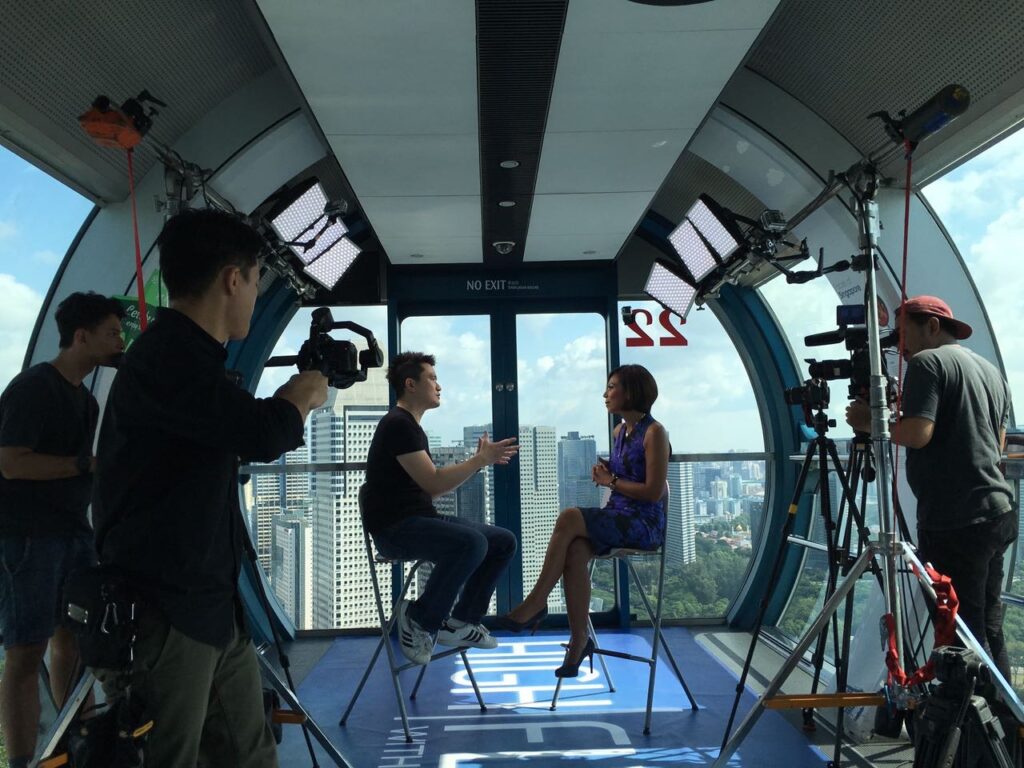
9. Augmented Reality (AR) & Virtual Reality (VR)
AR and VR unlock immersive experiences that elevate brand storytelling.
Examples include:
- AR product try-ons
- VR training simulations
- 360° virtual tours
- immersive corporate storytelling
These innovations are especially popular among tech, real estate, education, and luxury brands. However, AR and VR tend to me more “gimmicky” than solid, memorable video content marketing.
10. Motion Graphics & Hybrid Live-Action
Blending live-action footage with motion graphics creates a polished, modern aesthetic. Trends include:
- animated labels in product demos
- UI overlays for tech explainers
- infographic-driven (cartoon-ish) storytelling
AsiaWorks uses hybrid formats frequently in corporate, financial, and social impact projects to make complex topics engaging and visual.
11. Hyperlocal Video
Brands increasingly create region-specific or country-specific video content tailored to local audiences.
This includes:
- local languages
- regional case studies
- cultural nuance
- localized UGC
AsiaWorks’ teams across Asia enable brands to produce multi-market versions efficiently while maintaining brand consistency. For example, the Singapore government, in disseminating many of its local safety campaigns, relies on hyperlocal video.
12. Silent Video Culture
With 85–90% of social video watched without sound, silent-first storytelling is now one of the hottest video production trends. Silent videos are most viewed in markets with heavy reliance on public transportation.
Trends include:
- intentional on-screen text
- subtitles
- strong visual narratives
- animated callouts
Silent videos perform especially well on LinkedIn, Instagram Reels previews, and TikTok auto-play.
13. Educational & How-To Video
Audiences, especially B2B, want expertise. They prefer:
- tutorials
- explainer videos
- thought-leadership content
- expert lessons
- how-to walk-throughs
This shift has made long-form educational videos one of the most reliable ROI drivers in video marketing. Why read manuals when a video shows you how to do it.
14. Sustainable Production Practices
Brands increasingly seek production partners committed to reducing environmental impact.
Key trends include:
- smaller, efficient crews
- renewable energy on set
- virtual production stages (very popular in movie production)
- remote collaboration to reduce travel (we have crews across the region)
We have invested in lighter production workflows which lower carbon footprint while maintaining production quality.
Emerging Camera Technologies and Equipment Innovations
Video production technology is advancing rapidly. Today’s most used innovations include:
- High-frame-rate mobile cameras for on-the-go content
- Compact 4K/8K cinema cameras for cinematic shoots (influencers love these)
- Next-generation drones for aerial storytelling (a video ‘must have’)
- LED volume stages for virtual production environments
These innovations allow brands to produce higher-quality content faster and more cost-efficiently, especially when supported by an experienced production partner like AsiaWorks.
How to Identify the Right Trends for Your Strategy
Not every trend is right for every brand. Pre-production research will aid in a practical framework that includes:
- Audience – What formats do they consume?
- Budget – Which trends deliver the highest ROI for your resources?
- Goals – Awareness? Engagement? Education? Conversions?
- Timeline – Fast-turn social or evergreen long-form content?
- Platform Mix – Where will your audience see your videos first?
Brands should always prioritise formats their customers already engage with, not chase trends for the sake of it. Already big on YouTube? Stick with it.
What Video Marketing Tactics Brands Are Using
1. Video SEO
Like articles and photographs, video has become a major part of search ecosystems. Effective video SEO includes:
- keyword placement
- captions and transcripts
- structured metadata
- playlist strategies
- on-screen keyword reinforcement
Social platforms themselves are becoming search engines, making video SEO even more important.
2. Cross-Platform Integrations
High-performing brands don’t create content for one channel. More likely they:
- repurpose content across platforms
- adapt formats to match platform behaviour
- distribute video via email, social, and landing pages
- use YouTube as a long-term discovery engine
We recommend producing video for several formats and platforms. A great editor can work with one video to produce many small videos for multiple platforms.
3. Data-Driven Testing
Today’s best marketers use A/B testing on:
- thumbnails
- video hooks
- aspect ratios
- captions
- calls to action
AsiaWorks creates multiple video cuts for clients to see which one resonates most with viewers.
4. Niche Creator & Micro-Influencer Collaboration
Micro-influencers deliver:
- higher engagement
- deeper trust
- stronger niche relevance
- cost-efficiency compared to macro creators
More brands are now working with local micro-creators to achieve targeted reach. Some of the best micro-influencers are company employees, or a repeat customer.
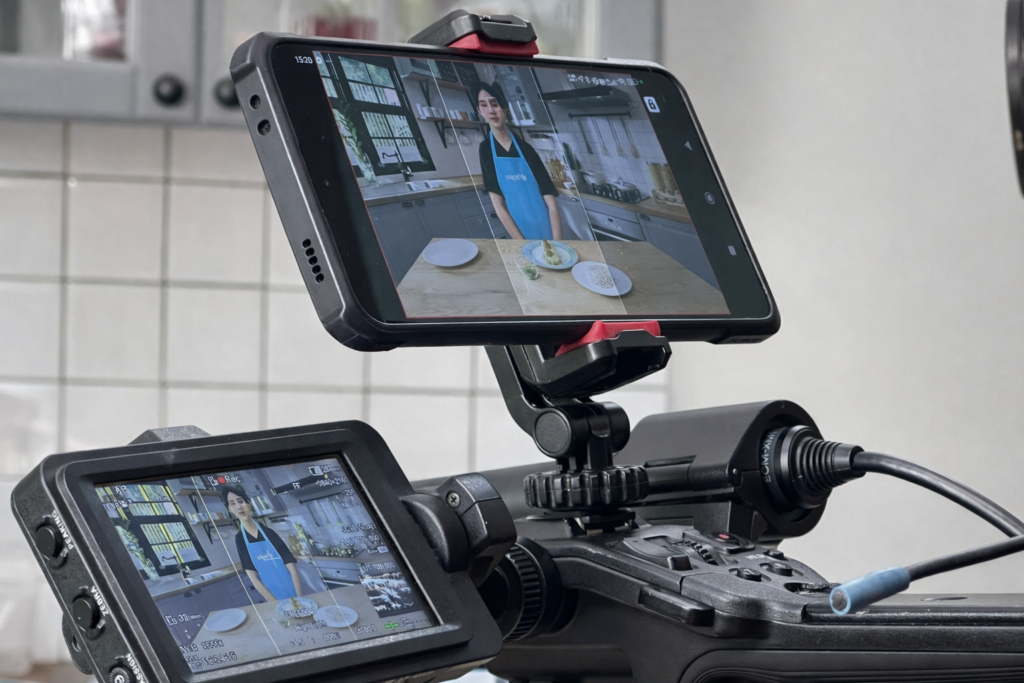
How Professional Video Production Helps Brands Stay Ahead
In today’s fast-moving digital landscape, the most successful brands combine polished production and UGC-style content. This hybrid approach delivers the authenticity audiences love while ensuring every key message still looks and feels on-brand. It’s okay to have some videos look like a class project, while others must have Hollywood production quality.
Professional video production for brands and marketing elevates your content in ways that are difficult to replicate internally. It provides:
- Stronger brand consistency across every market
- Cinematic visuals that hold attention
- Reliable, broadcast-quality audio
- Advanced motion graphics that clarify complex ideas like charts and graphs
- Scalable production workflows for multi-country campaigns
- Narrative clarity that supports strategic storytelling
We’ve helped brands across Asia build this balance. Our teams blend real-world authenticity with high-impact production values, enabling companies to stay ahead of evolving creative expectations, shifting algorithms, and new technology video trends. The result is content that feels current, trustworthy, and ready for every platform your audience uses.
Final Thoughts
The world of video marketing trends is constantly evolving. From AI automation and short-form dominance to virtual production, micro-influencers, and silent-first storytelling, brands have more opportunities than ever before. The key is knowing which trends matter for your audience, understanding your goals, and maintaining your brand identity. If you want to strengthen your strategy or explore new production possibilities, AsiaWorks can help—combining experience across Asia with modern workflows, advanced production tools, and a team driven by storytelling excellence.
Video Marketing Trends FAQs
1. What is the future of video marketing?
The future of video marketing is shaped by three major forces: AI-driven production, short-form dominance, and personalised content. Brands will increasingly rely on tools that automate editing, scripting, translations, and optimisation, making it faster and easier to scale video across markets. At the same time, short-form formats, especially vertical, mobile-first videos, will continue to grow across TikTok, Instagram Reels, and YouTube Shorts.
However, long-form video won’t disappear. Viewers still want deeper, more educational content from brands they trust. This means the future is a hybrid marketing strategy where UGC-style authenticity and polished professional storytelling work together to deliver impact.
2. How to make video marketing work for your business?
To make video marketing work, start by aligning your videos with your business goals: awareness, engagement, conversion, or brand authority. Always plan around your audience’s behaviour: what they search for, how they consume content, and which platforms they use. High-performing strategies typically include a mix of short-form videos for reach, educational content for trust, and professional brand films for impact.
Focus on strong storytelling, consistent branding, and platform-specific formats. Businesses also benefit from partnering with an experienced production company like AsiaWorks, which provides strategic planning, multi-market production, and creative direction to ensure each video works harder across channels.
3. How can businesses measure ROI from video marketing trends?
Measuring ROI starts with tracking video metrics that align with your objectives. For awareness, look at view counts, impressions, watch time, and reach. For engagement, measure likes, comments, shares, and click-through rates. For conversion, review lead quality, sign-ups, purchases, or other actions driven by video.
Businesses should combine platform analytics (YouTube, TikTok, Instagram, LinkedIn), website data (Google Analytics), and CRM insights to get a complete performance picture. When working with AsiaWorks, clients receive guidance on selecting the right video performance metrics and building a measurement framework that links content directly to business outcomes.
4. What is the most popular channel for video marketing?
The most popular channel for video marketing varies by audience. However, YouTube remains the global leader for search-based and long-form content. TikTok and Instagram Reels dominate short-form discovery, especially for younger audiences and social commerce. LinkedIn is now the strongest platform for B2B video, executive messaging, and thought leadership. The best channel depends on where your customers already spend time. Most companies, large or small, see the greatest impact by using a multi-platform strategy, adapting each video to fit the format and behaviour of the platform.