

Key Takeaways
- Influencer video marketing combines creator authenticity with the reach of video platforms.
- Video collaborations help brands move audiences from discovery to purchase faster.
- Successful campaigns require clear strategy, creator alignment, and platform optimization.
- Brands increasingly treat influencers as creative partners and co-producers.
- Professional production support from agencies like AsiaWorks can improve both storytelling and performance.
Table of Contents
Influencer video marketing has quickly become one of the most powerful tools in modern digital marketing strategy.
Every day, millions of content creators publish videos across platforms like YouTube, TikTok, Instagram, and LinkedIn. As a result, brands have discovered that video and influencer marketing together can often drive awareness, trust, and direct sales faster than traditional advertising. How many times have you ever purchased something because you saw someone using it on social media?
At its core, influencer video marketing for brands blends storytelling, personality, and video production into one powerful format. Instead of polished advertisements that feel distant, audiences watch real people share experiences with products, services, and ideas. This human connection dramatically improves engagement.
Today, many marketing leaders are asking the same questions:
- What is influencer video marketing?
- How does influencer video marketing work?
- And how can brands create influencer video marketing strategies that deliver measurable results?
In this guide, we explore the power of influencer video marketing, including strategy, tactics, and best practices. You will learn how to identify the right creators, build effective campaigns, and measure performance. In addition, we will explain how professional partners like AsiaWorks help brands elevate influencer content without sacrificing authenticity.
What is Influencer Video Marketing?
The influencer video marketing definition is relatively straightforward. It is a strategic collaboration between a brand and a creator to produce video content that promotes products, services, or ideas in an authentic way.
Unlike traditional advertising, influencer video marketing relies on trust. Audiences follow creators because they value their opinions and personality. When these creators introduce a product within their content, viewers perceive it as a recommendation rather than an advertisement.
Therefore, video and influencer marketing works because it combines two powerful elements:
- The high engagement of video platforms
- The authentic credibility of creators
Platforms such as TikTok, YouTube, and Instagram reward creator-led video. Consequently, brands that integrate influencers into their video strategy often see stronger engagement and conversion rates.
For many companies, influencer video marketing for brands has become a key channel for product launches, tutorials, and community building.
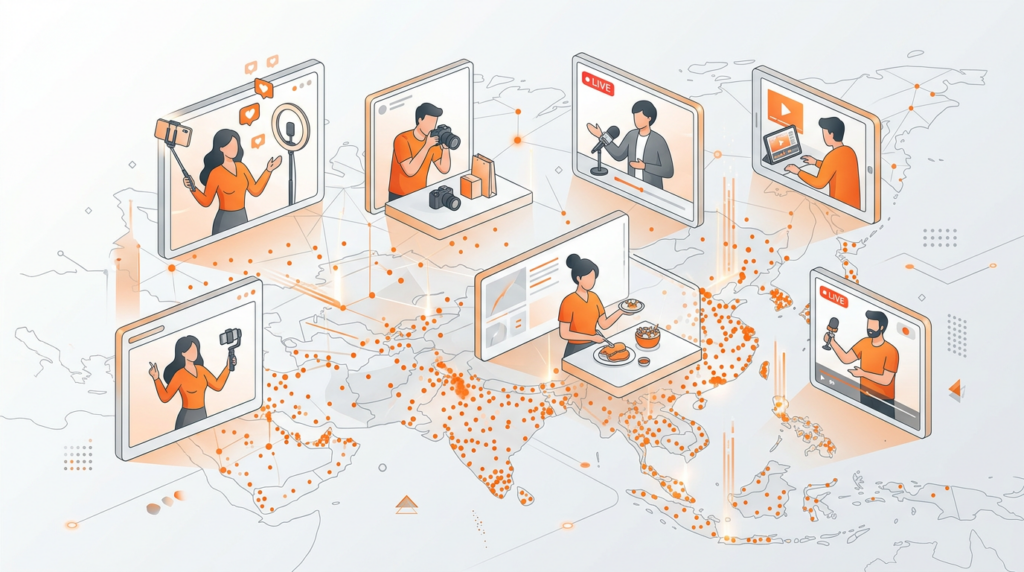
Why Video and Influencer Marketing are a Winning Combination
Influencers are no longer just content publishers. Increasingly, they are becoming founders of their own brands, media companies, and product lines.
As a result, the relationship between brands and influencers has shifted. Instead of traditional sponsorships, campaigns now involve co-production and collaboration.
This shift explains the growing benefits of influencer video marketing.
First, creator-led videos generate higher trust. People are far more likely to listen to a recommendation from someone they follow regularly than from a corporate advertisement.
Second, social platforms increasingly prioritize video-first influencer content. Algorithms reward engaging video content, which means influencer collaborations often reach larger audiences.
Third, these videos move audiences from discovery to purchase more quickly. Many platforms now support direct shopping features, allowing viewers to buy products without leaving the app.
Consequently, the power of influencer video marketing lies in its ability to blend storytelling, authenticity, and direct commerce into one seamless experience.
Identifying the Right Influencer for Your Brand
Not every influencer is the right fit for every brand. Many influencers are ‘specialists’ and cover travel, food, clothes, cosmetics or other consumer products. Therefore, successful influencer video marketing tactics begin with identifying the right type of creator.
Influencers generally fall into four tiers:
Influencer Tier | Followers | Best For |
Mega Influencers | 1M+ | Global awareness campaigns |
Macro Influencers | 100K–1M | Large-scale brand exposure |
Micro Influencers | 10K–100K | High engagement communities |
Nano Influencers | <10K | Highly trusted niche audiences |
Although mega influencers deliver reach, many brands now prioritize micro and nano influencers. These creators often have stronger audience relationships and higher engagement rates. For large corporations, some of their best nano influencers are their own employees.
When selecting influencers, brands should consider several factors:
- Audience demographics and relevance
- Content quality and storytelling ability
- Brand alignment and credibility
- Past campaign performance
Ultimately, the best influencer collaborations feel natural to the audience. Authenticity remains the most important element of successful video and influencer marketing campaigns.
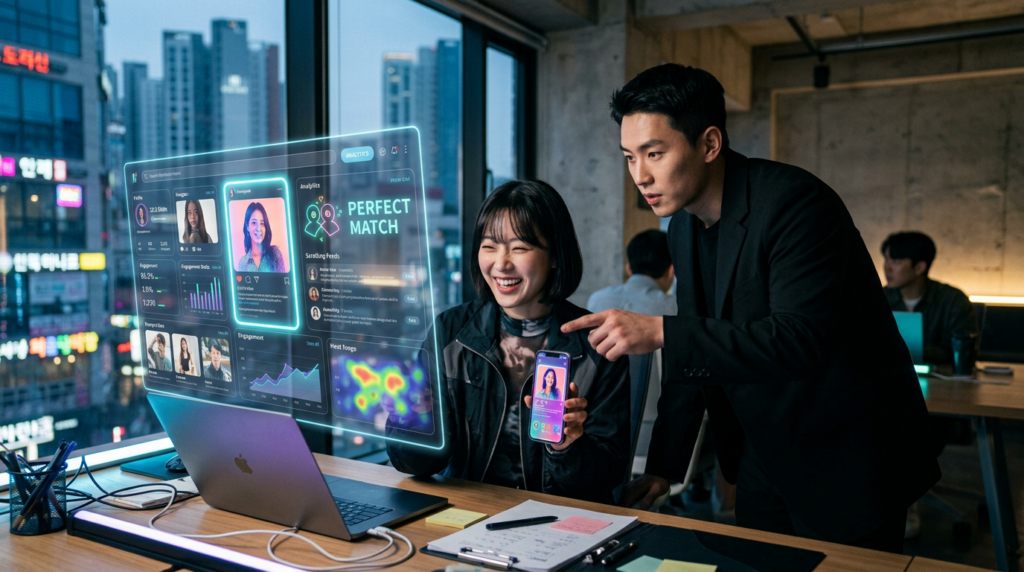
Steps to a Successful Influencer Video Marketing Strategy
1. Goal Setting & KPI Definition
Every campaign should begin with clear objectives. Brands must decide whether they want awareness, engagement, lead generation, or direct sales.
These goals determine the key performance indicators used to measure success.
2. Influencer Discovery & Vetting
Next, brands must identify creators whose audience aligns with their target market. This stage often involves reviewing content style, engagement metrics, and brand fit. Make sure they have the audience you seek.
3. Collaborative Briefing
Instead of dictating exact scripts, brands should collaborate with creators. Influencers understand their audience better than anyone else.
Therefore, the best campaigns involve a shared creative process. But do make sure your brand is handled with care by the influencers you work with.
4. The Co-Production Phase
In many cases, brands provide professional support during filming. This is where agencies such as AsiaWorks become valuable.
AsiaWorks helps enhance influencer content through professional lighting, cinematography, and sound design. Importantly, the production still preserves the creator’s authentic voice.
5. Platform-Specific Optimization
Each platform has its own style and format.
For example:
- TikTok favors fast-paced vertical videos
- Instagram focuses on visual storytelling
- YouTube supports deeper narratives good for corporations
Consequently, the same influencer video may require multiple edits tailored to each platform.
6. Distribution & Amplification
A strong campaign does not rely solely on organic reach.
Brands often amplify influencer content by:
- Running paid ads through the creator’s account
- Sharing the video on brand channels
- Repurposing clips across platforms
For example, a high-performing YouTube video may become a TikTok ad or LinkedIn post.
7. Analysis & Iteration
The final stage involves measuring results and refining future campaigns.
Performance insights allow brands to improve messaging, targeting, and content formats over time.
Platform-Specific Strategies for 2026
Each social platform supports influencer video marketing in different ways.
YouTube
YouTube remains a leader in YouTube video influencer marketing for brands and advertisers. Long-form videos build trust, while YouTube Shorts drive discovery.
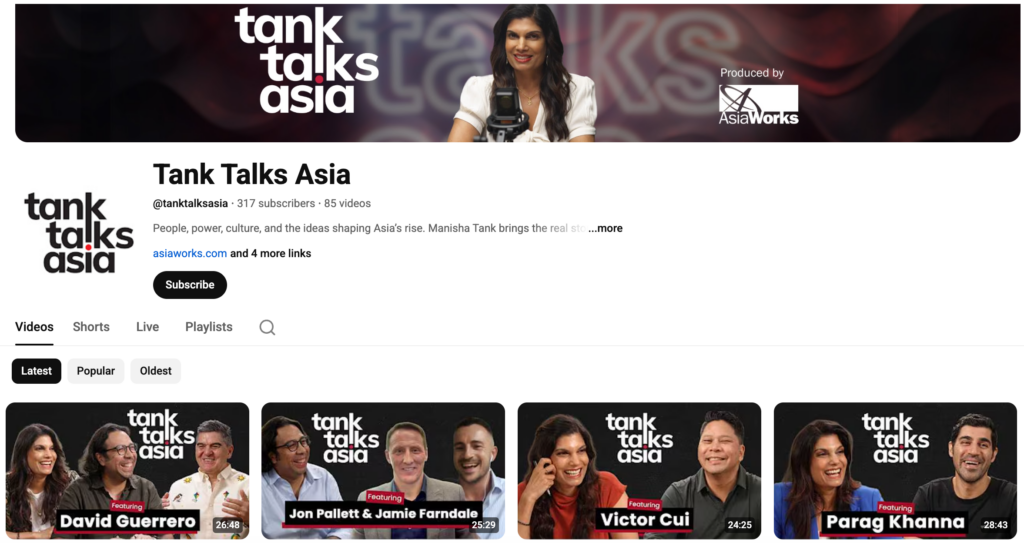
Instagram focuses heavily on Reels and lifestyle storytelling. Influencer content here often emphasizes aesthetics and aspirational narratives.
In this Instagram reel created by AsiaWorks for Standard Chartered Bank, we showcase a first-person narrative featuring a Key Opinion Leader from the Corridor Banking division. As part of a broader campaign deployed across various social media platforms, this video series has achieved outstanding engagement on Instagram.
TikTok
TikTok thrives on creativity and community participation. Authentic short-form videos often outperform polished advertising.
LinkedIn has become increasingly video-focused, especially for B2B campaigns. Influencer marketing on LinkedIn now includes industry experts, founders, and thought leaders sharing insights through professional video.
As a result, influencer marketing on YouTube and LinkedIn now plays an important role in both B2C and B2B marketing strategies.
A great example is how AsiaWorks created and produces In The Loop, a bi-monthly LinkedIn video series that highlights news, marketing, and communication stories for Mastercard APAC. Hosted by Mastercard’s Regional Comms team, the series has been an incredible success, exceeding LinkedIn benchmarks on all fronts and addressing a significant challenge for Mastercard in ensuring their company news cuts through, and resonates with both internal and external audiences.
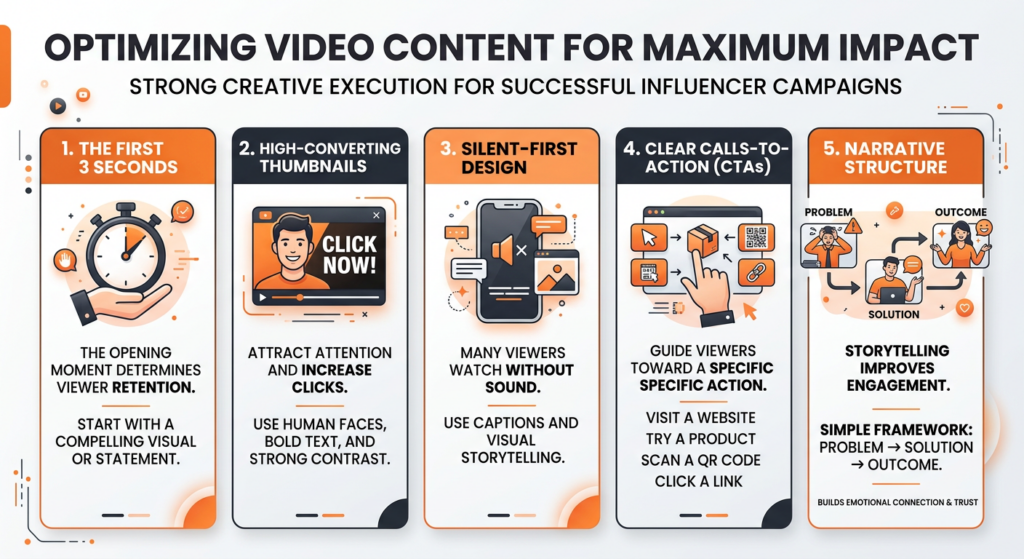
Optimizing Influencer Video Content for Maximum Impact
Successful influencer campaigns depend on strong creative execution.
1. The First 3 Seconds
The opening moment determines whether viewers continue watching. Therefore, creators should start with a compelling visual or statement.
2. High-Converting Thumbnails
Human faces, bold text, and strong contrast attract attention and increase clicks.
3. Silent-First Design
Many viewers watch videos without sound. Consequently, captions and visual storytelling are essential.
4. Clear Calls-to-Action
Each video should guide the viewer toward a specific action. This may include visiting a website, trying a product, scanning a QR code, or clicking a link.
5. Narrative Structure
Finally, storytelling improves engagement. A simple framework works well:
Problem → Solution → Outcome
This structure builds emotional connection and encourages viewers to trust the brand.
Key Metrics to Measure Influencer Video Marketing Success
Effective campaigns require performance tracking.
Key influencer video marketing metrics include:
- Retention Rate: How long viewers continue watching the video.
- Saves & Shares: These signals indicate strong audience value.
- Social Search Visibility: Videos that appear in search results attract high-intent viewers.
- Conversion Rate: Ultimately, the most important measure is how many viewers become customers or leads.
These metrics help brands refine their influencer video marketing tactics for future campaigns.
Professionalizing Your Influencer Video Content with AsiaWorks
Many brands struggle to balance authenticity with production quality. Creator content is engaging, yet raw footage sometimes lacks polish.
This is where an agency like AsiaWorks plays an important role.
AsiaWorks helps bridge the gap between creator authenticity and professional video production standards. The team supports influencer campaigns through:
- Cinematic production techniques
- Professional lighting and sound
- Multi-platform video editing
- Strategic storytelling
As a result, brands maintain the creator’s natural voice while improving visual impact and brand consistency.
For companies seeking scalable influencer video marketing for brands, working with a production partner ensures both quality and efficiency.
Final Thoughts
Influencer marketing has evolved into one of the most powerful tools in digital communication. When combined with video, it becomes even more effective.
The reason is simple. Audiences trust people more than advertisements.
Therefore, video and influencer marketing allows brands to build authentic connections, generate engagement, and drive measurable results.
However, success requires strategy. Brands must choose the right creators, collaborate effectively, optimize video content for each platform, and track performance carefully.
With the right approach, the power of influencer video marketing, well produced, can transform brand storytelling and accelerate growth.
Companies that want to scale their influencer campaigns can also benefit from professional production support. Agencies like AsiaWorks help brands create polished, high-performing video collaborations while preserving the authenticity audiences expect.
Influencer Video Marketing FAQs
1. Who owns the rights to the video content in an influencer video marketing campaign?
Ownership depends on the contract between the brand and the influencer. Typically, the creator owns the original content while granting the brand usage rights. However, many agreements include extended licensing so brands can use influencer videos in ads, websites, and social channels.
2. How do we measure the ROI of a video collaboration with influencers?
ROI is measured through several video metrics, including engagement rates, conversion rates, website traffic, and sales attributed to the campaign. Brands often track performance using unique links, discount codes, or platform analytics.
3. How do we handle influencer video marketing in highly regulated industries?
In regulated sectors such as finance or healthcare, brands must ensure all claims are compliant with industry guidelines. Clear briefing documents, legal approvals, and careful scripting help ensure the influencer content remains compliant while still engaging.
4. Can we use influencer videos on our own website or email marketing?
Yes, but usage rights must be defined in the contract. Many brands repurpose influencer videos across their marketing ecosystem, including landing pages, newsletters, and advertising campaigns. Some have been stung by influencers because the influencer’s contract didn’t cover ‘worldwide rights’.
5. How is AI currently being used in influencer video production?
AI tools now assist with script development, editing, caption generation, and performance analysis. However, human creativity and storytelling remain essential to maintaining authenticity in influencer video marketing.