

Key Takeaways
- Great travel videos tell stories, not just show landscapes.
- Professional travel videography combines planning, cinematography, sound, and editing.
- Authentic people and local culture often create stronger emotional connections than scenery alone.
- Professional editing transforms beautiful footage into compelling marketing.
- AsiaWorks manages everything from permits and logistics to filming and post-production across Asia.
Table of Contents
A beach in Thailand, Vietnam or Bali will look stunning at sunrise or sunset. The ruddy red light, the textured sand, the beachgoers looking out over the ocean as the sun dips below the horizon.
However, beautiful scenery alone rarely inspires someone to book a flight, reserve a hotel, or explore a destination they’ve never considered before.
The best travel films do something more powerful. They tell a story. They create emotion. They allow viewers to imagine themselves walking through a flower market in Hanoi, watching the sunrise over Angkor Wat, or sharing dinner with a local family in northern Thailand. In other words, they transform places into experiences.
That is why travel videography has become one of the most valuable marketing tools for tourism boards, hotels, airlines, resorts, and destination brands. A professionally produced tourism film doesn’t simply showcase a location. It builds desire, creates trust, and inspires people to travel.
At AsiaWorks, we’ve spent decades filming across Asia. Along the way, we’ve learned that the difference between an average travel video and an unforgettable destination film rarely comes down to expensive cameras alone. Instead, it comes from planning, storytelling, an understanding of good photography, and thoughtful editing. Although you don’t need to think like a National Geographic film crew, you do need some basic techniques and planning.
In this guide, you’ll learn how to create a travel video that goes beyond postcard visuals. We’ll explore professional travel video tips and tricks, explain how to make a travel video look cinematic, and share practical advice for brands and creators looking to produce destination films that genuinely connect with audiences.
Why Professional Travel and Tourism Videography Matters
Almost anyone can capture attractive travel footage today. Smartphones, mirrorless cameras, and action cameras have made filmmaking more accessible than ever.
Commercial tourism marketing, however, demands a different standard.
When a tourism board, luxury hotel, or destination brand invests in a campaign, the objective isn’t simply to collect beautiful images. The goal is to influence perception, build credibility, and ultimately encourage travelers’ bookings.
A great example is Beauty Has an Address by Oman Tourism. Rather than presenting a catalogue of attractions, the film creates an emotional portrait of the country through carefully composed cinematography, human moments, and a strong sense of place. The result is a destination film that sells an experience rather than simply showcasing scenery. This is exactly what professional tourism videography should achieve.
Just as importantly, professional productions consider how viewers consume travel content today. Videos must work equally well on YouTube, Instagram Reels, TikTok, LinkedIn, websites, and exhibition displays. Each platform requires slightly different framing, pacing, and delivery.
How to Create a Travel Video That Converts
Focus on Local Culture and People
The biggest mistake many travel videos make is concentrating exclusively on landscapes.
Mountains, beaches, and skylines are beautiful. However, people connect with people.
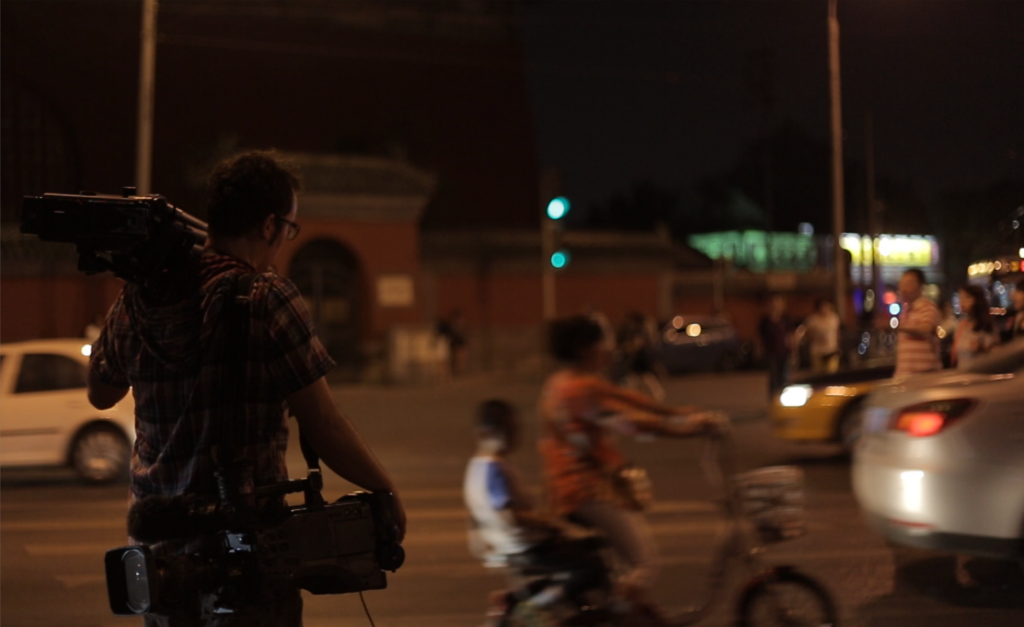
Some of the most memorable travel films feature street vendors preparing breakfast, artisans practicing centuries-old crafts, fishermen returning home at sunrise, or children laughing in village squares.
The Japan National Tourism Organization’s Be Zen campaign is an excellent example of destination storytelling built around experience rather than landmarks. Instead of rushing through famous attractions, the film slows down to celebrate craftsmanship, mindfulness, nature, and everyday Japanese culture. By focusing on authentic moments and emotional connection, it invites viewers to imagine themselves living the experience rather than simply visiting the destination. JNTO has consistently used this approach to highlight authentic regional experiences over tourism clichés.
At AsiaWorks, we often spend as much time capturing authentic human moments as we do filming iconic landmarks.
Create an Emotional Journey
The strongest travel videos follow a narrative. Instead of presenting disconnected scenes, think about the viewer’s emotional experience.
Perhaps the journey begins with anticipation at an airport. It then moves through discovery, adventure, cultural immersion, relaxation, and finally reflection.
This emotional arc transforms sightseeing into storytelling.
Show What Makes the Destination Unique
Every destination has beautiful scenery. Successful tourism promotions answer a different question: Why should someone visit here instead of somewhere else?
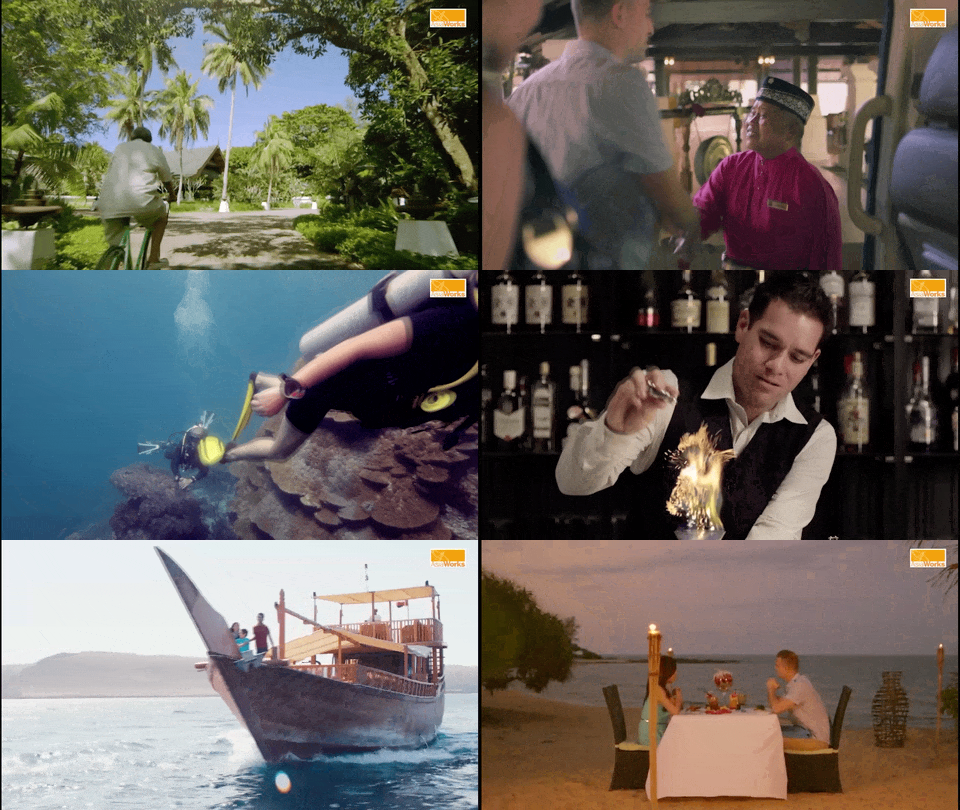
Koh Lanta Forever, created for Pimalai Resort, is a good example. The film doesn’t simply showcase rooms, pools, and resort facilities. Instead, it places Pimalai within the wider landscape and atmosphere of Koh Lanta. The island, the Andaman Sea, tropical vegetation, local experiences, and the slower rhythm of life all become part of the story.
How to Make a Travel Video Look Cinematic
Establish Scale
Wide establishing shots immediately communicate the grandeur of a location.
Drone footage, elevated viewpoints, and carefully composed landscapes provide viewers with context before moving into closer details. Also, use a person as a focal point to show the size of a mountain slope or a gigantic rock or deep canyon.
Master Natural Light
Lighting shapes emotion. Professional crews often schedule filming during the “golden hour” shortly after sunrise or before sunset. The softer light creates richer colors, longer shadows, and more cinematic images.
Pimalai Resort’s Koh Lanta Forever also demonstrates how natural light can become part of the storytelling. Sunrise, sunset, and the changing light throughout the day create a sense of calm that mirrors the experience of staying on the island. Rather than relying on fast edits, the film allows landscapes, architecture, and human moments to breathe, creating a cinematic pace that feels luxurious and immersive. The resort itself emphasizes harmony with Koh Lanta’s natural environment, reinforcing the film’s visual approach.
Midday filming is generally avoided unless the story requires it. Mid-day light will make colors look flat, shadows appear extra dark and light, sunny areas will become overly bright.
Use Motion Purposefully
Movement adds energy. However, not every shot should move.
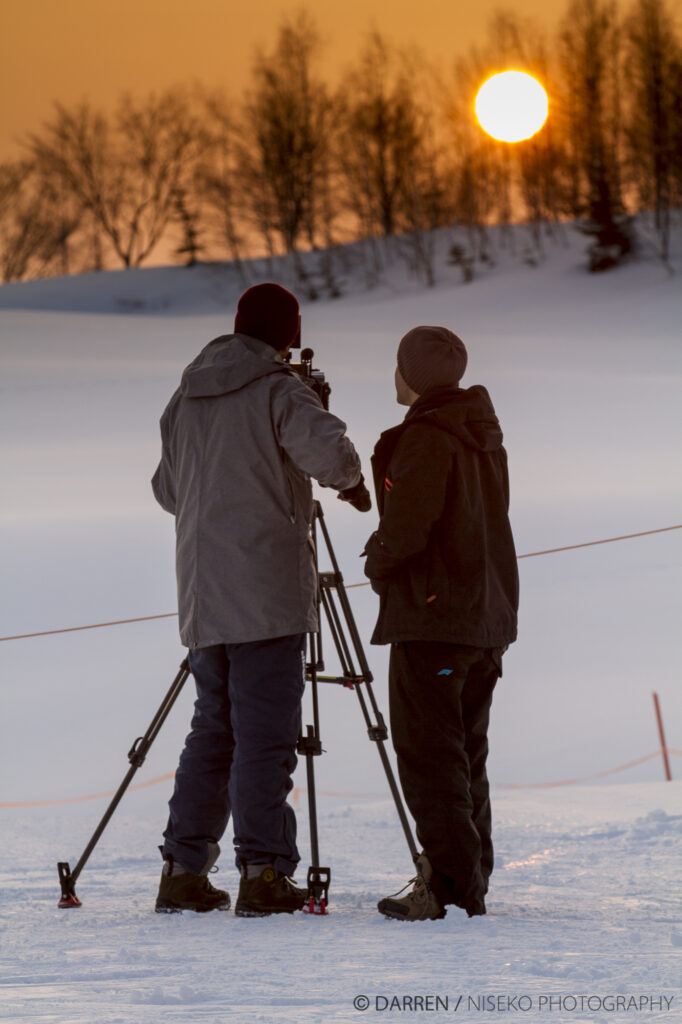
Slow-motion sequences can emphasize emotion, while locked-off tripod shots often create moments of calm. Sometimes, it’s best to find an interesting background such as a café or beach, set up the camera on a tripod, and film people or animals walking through it.
Professional filmmakers choose movement deliberately rather than simply because they can.
Capture Intentional B-Roll
B-roll often becomes the glue that holds a travel story together. It’s often filmed without sound to add context to an interview or narrative.
Instead of collecting random shots, film details that reinforce the destination.
Examples include:
- local food preparation
- market interactions
- hands crafting traditional artwork
- ocean waves
- wildlife
- architectural textures
- transportation
- street life and shops
These moments help editors create seamless visual transitions.
Advanced Travel Video Editing and Post-Production Best Practices
Editing is where a travel film truly comes to life. A good editor can make or break your story.
A skilled editor determines the rhythm of the story. They choose when to slow the pace, when to build excitement, and when to let a breathtaking landscape speak for itself.
Professional travel video editing also focuses heavily on sound.
Rather than relying solely on music, editors blend natural ambience into the soundtrack. Waves, birds, footsteps, market conversations, and temple bells immerse viewers in the destination.
Color grading provides another layer of storytelling.
Warm tropical tones create a very different emotional response than cool mountain landscapes or dramatic monochrome sequences.
At AsiaWorks, our editors also prepare multiple versions of each film for different platforms. A destination campaign may include a three-minute hero film alongside 60-second, 30-second, and vertical social edits.
Practical Travel Video Tips & Tricks from Industry Professionals
Some of the most valuable travel video tips and tricks happen before filming even begins. Remember, proper preparation prevents poor performance (known as the 5 Ps).
Build a Shot List
Professional filmmakers rarely rely on luck.
Instead, they create a detailed shot list that maps out every major story beat before arriving on location. Think of all the destinations you need to shoot and make sure you get each shot from different angles, times of the day, and in different weather. Don’t forget to capture an interview or two to propel the story.
Prioritize Audio
Travel environments are noisy. Wind, traffic, crowds, and wildlife all affect sound quality.
But good sound is often more important than good visuals. If you conduct an interview, make sure the microphone is up to the task, and you get sound that isn’t full of static or echo. And do record the sounds of traffic, wind through the trees, the ocean lapping on the shore. These will help with your storytelling.
Professional external microphones and careful audio recording make a remarkable difference.
Match Movement Between Shots
Rather than relying on flashy transitions, professional editors connect scenes through similar camera movement.
Don’t follow movement in one horizontal direction, then suddenly start a vertical top to bottom shot. Make sure your cinematography follows certain rules and make sure the shots link together.
This creates smoother storytelling and a far more cinematic viewing experience.
Film for Multiple Platforms
Today’s travel productions rarely produce a single deliverable.
Instead, crews capture footage with multiple outputs in mind. You may be shooting an interview, perhaps a traveler giving their impressions of a place. You’ll need that same interview for your main film produced for a website. However you’ll also need to consider a vertical version for TikTok or mobile phone viewing. It was once important to follow the ‘Rule of Thirds’ when composing a shot. Now, most interviews are conducted smack in the middle of the frame and altered depending on the format.
Horizontal films, vertical Reels, YouTube Shorts, LinkedIn videos, and promotional website banners often come from the same shoot.
Partnering with AsiaWorks for Professional Travel Production
Travel video production is about much more than cameras. It involves permits, logistics, transportation, customs regulations, drone permissions, multilingual crews, scheduling, weather planning, and local coordination.
AsiaWorks manages these complexities across Asia, allowing tourism boards, hospitality brands, and travel companies to focus on the creative vision rather than operational challenges.
Our teams regularly coordinate multi-camera productions across several countries, integrating local knowledge with international production standards.
Whether producing a luxury resort campaign, a national tourism promotion, or branded travel content, AsiaWorks delivers destination storytelling designed to inspire action.
Final Thoughts
Learning how to make travel videos is about far more than recording beautiful scenery.
The most successful destination films combine storytelling, cinematography, authentic human experiences, and meticulous editing to create emotional connections that last long after the video ends.
Whether you’re creating content for a tourism board, a luxury hotel, or a global travel brand, professional production helps transform remarkable destinations into unforgettable experiences.
At AsiaWorks, we believe every destination has a story worth telling. Our role is to help audiences experience it before they even arrive.
Three Travel Films Every Destination Marketer Should Watch
Film | Why it works |
Places people, culture, and emotion ahead of sightseeing. | |
Creates aspiration through cinematic storytelling rather than simply listing attractions. | |
Demonstrates how lighting, pacing, and atmosphere can elevate a luxury destination film. |
Making Travel Video FAQs
1) How long should a tourism promotional video be?
For most destination campaigns, the hero film is between two and four minutes. Additional shorter edits should also be created for social media, advertising, and digital campaigns.
2) Why should brands hire a professional crew for travel and tourism videos?
Professional crews combine storytelling, cinematography, logistics, drone operations, sound recording, and post-production into one coordinated production. This results in content that reflects the quality of the destination and the brand.
3) As a travel creator or vlogger, why should I partner with a professional production agency?
An agency can provide experienced camera operators, drone pilots, producers, editors, and production support. This allows creators to elevate production quality while focusing on presenting authentic stories.
4) What equipment is essential for capturing professional travel videography?
Professional productions typically use cinema or mirrorless cameras, drones, stabilizers, external microphones, ND filters, lighting equipment, and high-quality lenses. However, planning, storytelling, and editing remain just as important as the equipment itself.
5) How does AsiaWorks handle permits, drone regulations, and legal clearances for international travel shoots?
AsiaWorks coordinates permits, local approvals, drone regulations, insurance, production logistics, and regional crew management across Asia. This allows clients to concentrate on the creative vision while ensuring productions remain compliant with local regulations.